Signs Your Skin Needs A Consultant, Not Just Products
Most people reach for a new serum or cleanser before they consider anything else and often that's the right first move. But when breakouts keep returning, pigmentation won't budge or your skin feels reactive no matter what you use, that's usually a sign the issue sits deeper than what a shelf product can reach. Here's how to tell the difference.
When At-Home Skincare Stops Working
At-home skincare is built for maintenance, keeping healthy skin healthy and gently supporting mild concerns. It isn't designed to diagnose what's actually happening underneath the surface, or to adjust in real time as your skin responds.
That's fine while your skin behaves predictably. But once a concern stops responding to the usual routine, more product rarely solves it. Layering on new actives without understanding the underlying cause can sometimes make things worse — irritating a compromised barrier further or masking a concern that needs a different approach entirely. If your skin isn't responding the way it used to, a visit to a skin clinic Mackay locals trust can help identify what's really going on beneath the surface.
Common Signs Your Skin Has Outgrown Over-the-Counter Products
A few patterns tend to show up when it's time to move beyond the skincare aisle:
- You've tried multiple products for the same concern with little or no lasting change
- Your skin reacts unpredictably to products that used to work fine
- A concern keeps returning shortly after it seems to clear up
- You're guessing at ingredients & routines rather than following an actual plan
- Your skin feels different to how it used to & you're not sure why
Any one of these on its own isn't necessarily cause for concern. But together, they usually point to something a tailored routine can't fully resolve on its own.
Persistent Acne, Breakouts & Congestion
Acne that keeps recurring, or congestion that never fully clears, often has more than one contributing factor; hormonal patterns, product build-up or skin barrier issues can all play a role, sometimes at the same time. Over-the-counter products are typically formulated to address one mechanism at a time, which is part of why persistent breakouts can feel like they're being managed rather than resolved. A closer look at what's actually driving the congestion, rather than which product might mask it, is usually what moves things forward.
Stubborn Pigmentation & Uneven Skin Tone
Pigmentation is one of the more common reasons people move from at-home routines to clinical support. Not all pigmentation behaves the same way: some responds to consistent topical use over time, while other forms are more stubborn and layered, shaped by sun exposure, hormonal influences or past inflammation.
Treating pigmentation effectively usually starts with understanding what type it is and what's driving it, since the wrong approach can sometimes make uneven tone more noticeable rather than less.
Signs of Barrier Damage & Ongoing Inflammation
A compromised skin barrier often shows up as tightness, redness, stinging with products that never used to sting or skin that feels reactive to almost everything. It's easy to mistake this for ‘sensitive skin’ and keep adjusting products in response, when the more useful step is figuring out what damaged the barrier in the first place.
Ongoing inflammation, even when mild, is also worth taking seriously. Redness or irritation that lingers for weeks rather than days is generally a signal that the skin needs support beyond a change of moisturiser.
Why Some Skin Concerns Need Clinical Assessment, Not Just Products
Products are formulated to be broadly safe for a wide range of skin types, which means they're rarely tailored to what's happening with your specific skin. A clinical assessment looks at your skin's actual condition, its barrier function, its reactivity, its history and works from there, rather than starting with a product and hoping it fits.
This is also where trial and error tends to become expensive, both in time and in the products left half-used in a bathroom cabinet. A tailored
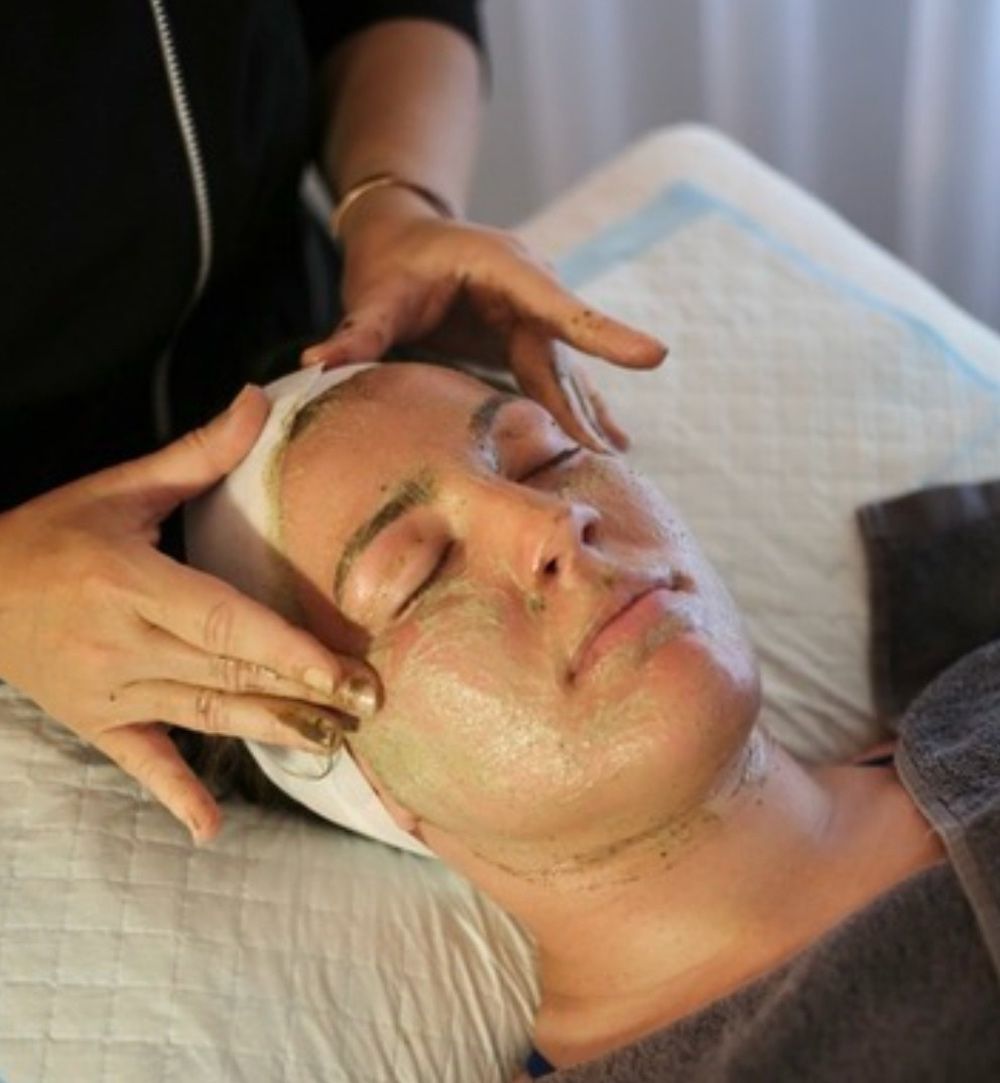
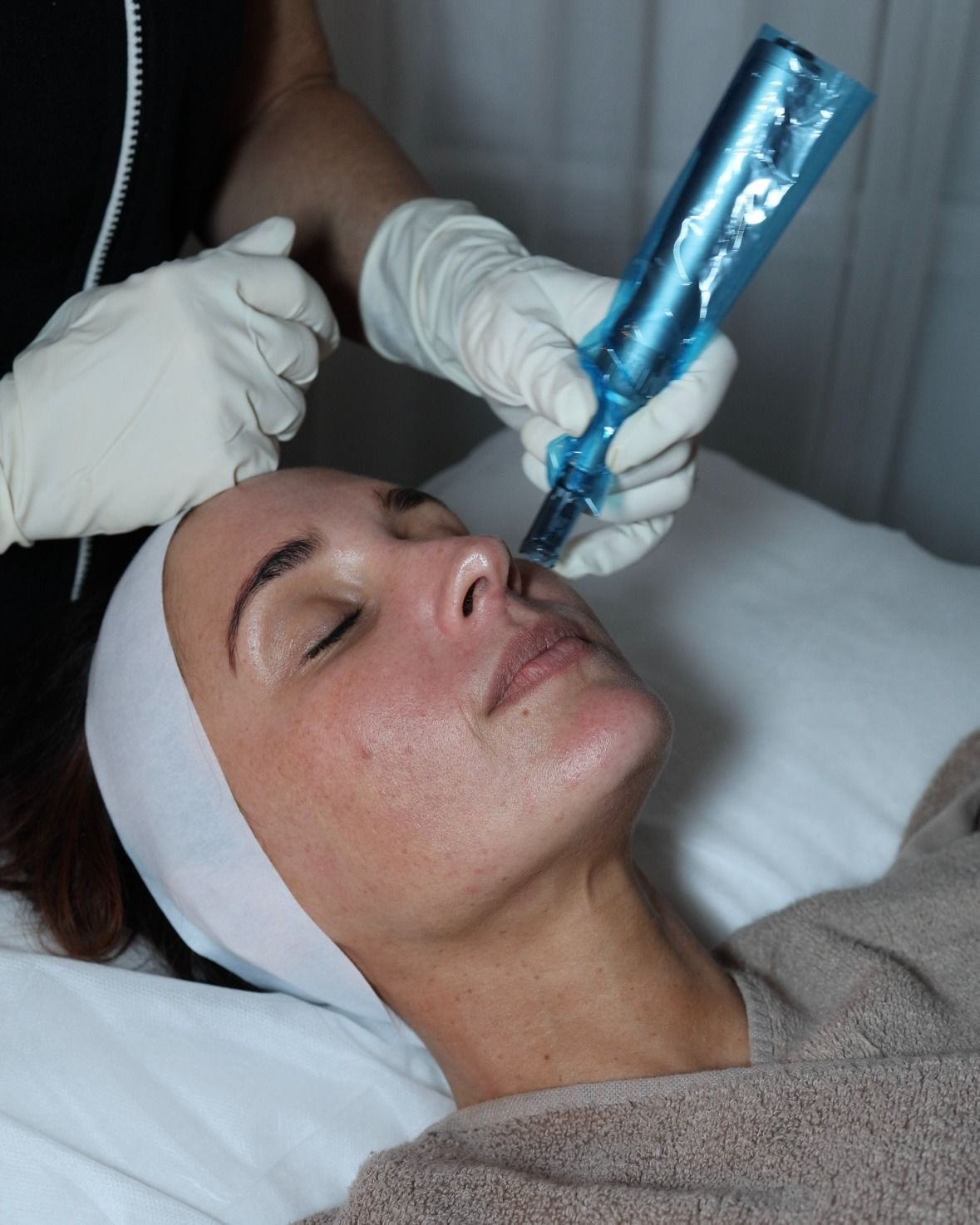
facial treatment Mackay clients rely on can target concerns that store-bought products simply aren't designed to reach. We've previously looked at
facials vs at-home skincare and how each approach handles congestion, dullness and dehydration differently.
What to Expect During a Skin Consultation
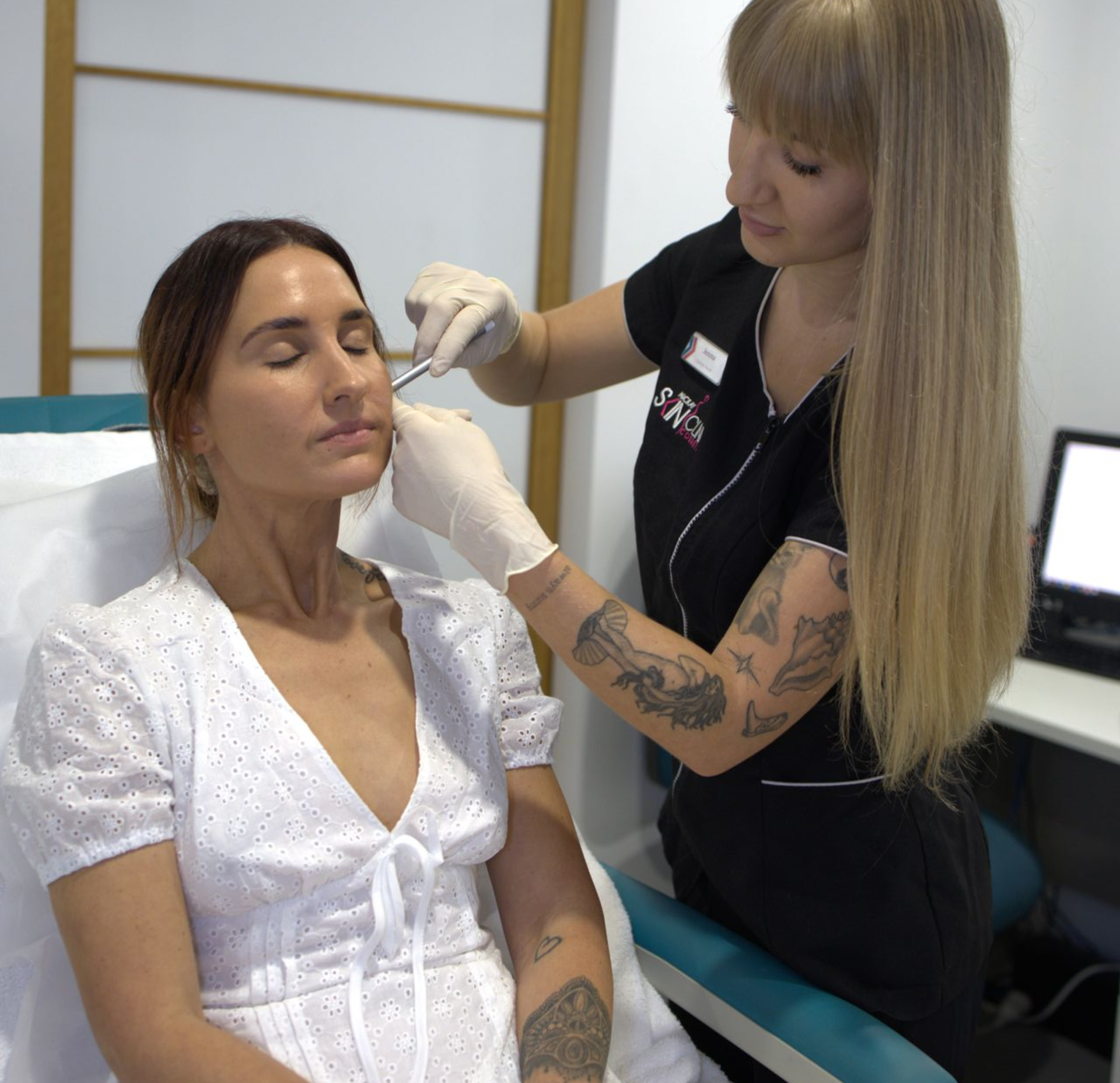
A skin consultation typically starts with a conversation about your skin history, your current routine and what you've already tried. From there, your skin is assessed directly, rather than relying on guesswork about which products should work.
You can generally expect the consultant to walk through:
- What's currently happening with your skin & what may be contributing to it
- Which concerns are likely to respond to a refined routine & which may need a different approach
- What a realistic timeline looks like for the changes you're hoping to see
Booking a
skin consultation is often the first step toward understanding what your skin actually needs.
The Benefits of Early Intervention for Long-Term Skin Health
Skin concerns tend to be easier to manage the earlier they're addressed. Persistent congestion left untreated can contribute to scarring over time. Pigmentation can deepen with continued sun exposure. A damaged barrier can take longer to repair the longer it's left unsupported.
Early intervention isn't about urgency for its own sake, it's about giving your skin the best chance of a straightforward outcome, rather than a more complicated one down the track. Working with a consultant who can track changes over time also means adjustments happen based on how your skin is actually responding, not on trial and error.
Frequently Asked Questions
How do I know if my skin needs a consultant rather than more products?
If a concern keeps recurring despite trying multiple products, or your skin reacts unpredictably to things that used to work, that's usually a sign the underlying cause needs a proper look rather than another product change.
Can persistent acne be caused by something other than my skincare routine?
Yes. Hormonal patterns, product build-up and barrier issues can all contribute to ongoing breakouts, sometimes together, which is part of why a single product change doesn't always resolve it.
Is all pigmentation treated the same way?
No. Pigmentation can be shaped by sun exposure, hormonal influences or past inflammation, and different types generally respond to different approaches.
What happens during a first skin consultation?
A consultation typically covers your skin history and current routine, followed by a direct assessment of your skin to identify what's contributing to your concerns and what approach may help.
Is it worth addressing skin concerns early rather than waiting?
Generally, yes. Concerns such as ongoing congestion or unmanaged pigmentation tend to become harder to address the longer they're left, so earlier assessment often supports a more straightforward outcome.