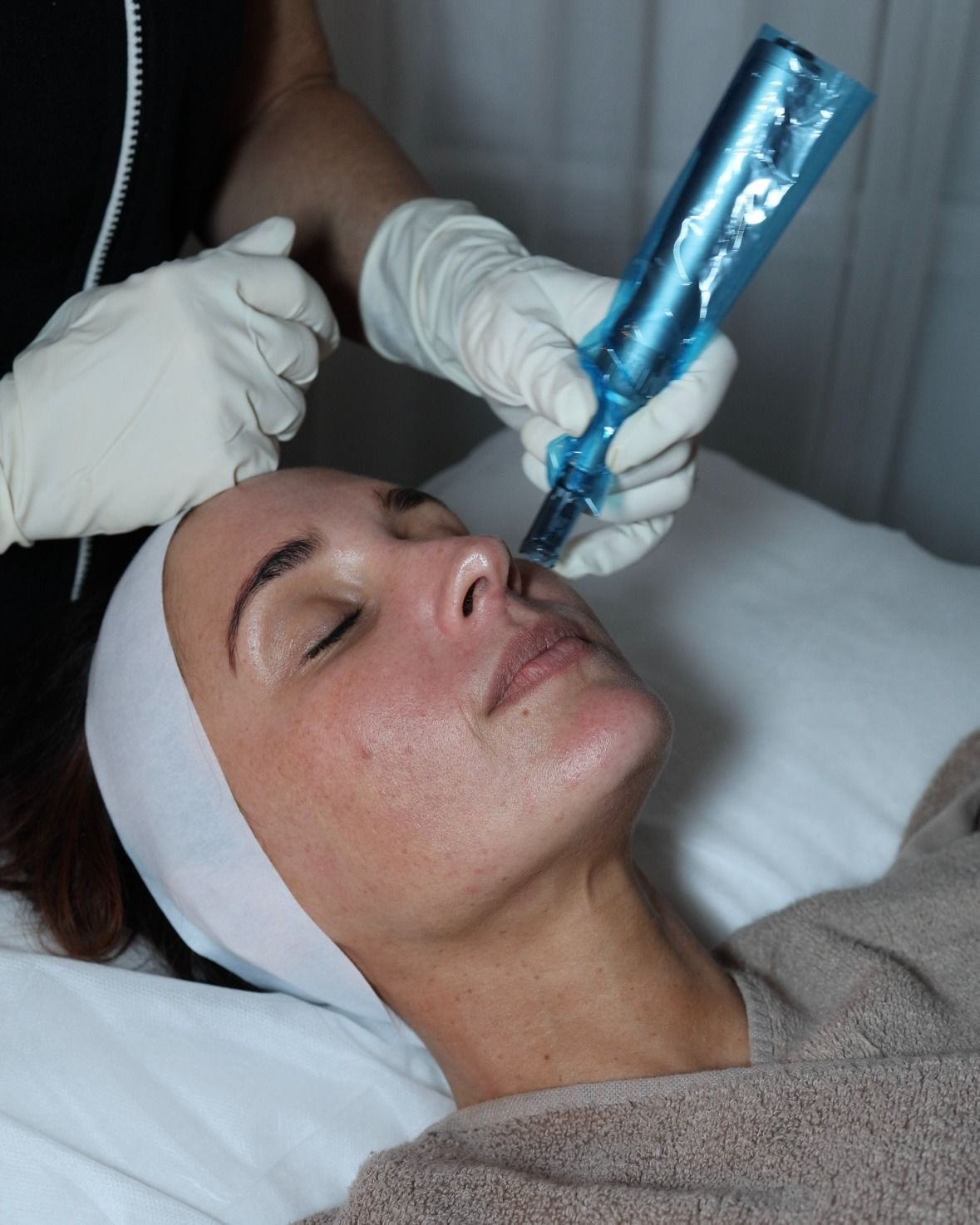
How To Prepare Your Skin Before A Facial Treatment
There is often a noticeable difference between skin that has been carefully prepared for a facial and skin that arrives irritated, dehydrated or overloaded with active skincare products. While a facial in Mackay is designed to support cleansing, hydration and skin maintenance, the condition of your skin beforehand can influence how comfortable the appointment feels and how your skin responds afterwards.
Many people rely on at-home routines to manage congestion, dullness and dryness, particularly when schedules are busy. Daily cleansing, exfoliation and moisturising all play an important role in maintaining skin health. However, there are times when home care reaches its limit, especially when breakouts linger, dehydration becomes persistent or skin starts looking uneven despite regular care. In these situations, a clinic-based facial treatment may offer a more targeted approach through deeper cleansing methods and customised hydration support.
Preparing properly before your appointment can help reduce irritation and allow your consultant to assess your skin more accurately. From avoiding certain products to understanding what your skin may need in the days beforehand, a little preparation can make your facial experience smoother and more comfortable.
Understand What Your Skin Needs Before Your Appointment
Not every facial treatment is designed for the same concern. Some focus on hydration while others target congestion, uneven texture or dull-looking skin. Before attending a facial appointment, it helps to pay attention to how your skin has been behaving in the previous few weeks.
If your skin feels tight, flaky or uncomfortable, dehydration may be contributing to sensitivity. On the other hand, blocked pores, oiliness and rough texture may point towards congestion. At-home skincare can help manage mild concerns, but stubborn changes sometimes require a more personalised treatment approach.
A consultant may assess factors such as:
- Skin sensitivity
- Areas of congestion
- Dry or dehydrated patches
- Product reactions
- Current skincare habits
- Environmental stressors affecting the skin
Being aware of these details before your appointment can help guide conversations during your consultation and support a more tailored facial experience.
Avoid Over-Exfoliating in the Days Before Your Facial
Many people assume exfoliating before a facial will improve their results, but excessive exfoliation can sometimes leave the skin barrier irritated and reactive. Strong scrubs, exfoliating acids and active ingredients used too close to a treatment may increase redness or discomfort during the appointment.
At-home exfoliation products can assist with maintaining smoother skin between appointments, though clinic-grade facial treatments often involve more targeted exfoliation methods that are adjusted to suit individual skin conditions.
In the days leading up to your facial treatment, it may help to reduce or pause products containing:
- Retinol or retinoids
- AHAs or BHAs
- Physical exfoliating scrubs
- High-strength vitamin C products
- Benzoyl peroxide
Allowing the skin to settle beforehand can make it easier for your consultant to assess your skin condition without additional irritation caused by recent product use.
Keep Your Skin Hydrated Leading Up to Treatment
Dehydration can affect almost every skin type, including oily skin. Air conditioning, sun exposure, inconsistent water intake and harsh skincare products can all contribute to a compromised skin barrier.
While moisturisers and hydrating serums used at home may support daily skin maintenance, facial treatments often incorporate deeper hydration techniques designed to address dryness more directly. Treatments focusing on hydration infusions and skin nourishment may assist in improving the appearance of dull or fatigued skin.
Simple ways to support hydration before your appointment include:
- Using a gentle moisturiser consistently
- Avoiding harsh cleansers
- Limiting long hot showers
- Drinking water regularly
- Reducing unnecessary skincare layering
Well-hydrated skin may also feel calmer during treatment and can help minimise temporary dryness afterwards.
Be Careful With New Skincare Products
Trying new skincare products shortly before a facial appointment can make it difficult to identify what your skin is reacting to. Even products marketed as gentle may trigger irritation, breakouts or dryness depending on individual skin sensitivity.
It is usually helpful to keep your skincare routine stable before a facial treatment. If your skin suddenly becomes inflamed or reactive after introducing a new serum or active ingredient, your consultant may need to adjust the planned treatment.
At-home skincare routines still play an important role between clinic visits. Cleansing, moisturising and sunscreen use all contribute to ongoing skin maintenance. However, when concerns such as persistent congestion or uneven texture continue despite regular home care, clinic-based facial treatments may provide more targeted support.
Common signs your skin may need additional attention include:
- Congestion that does not improve
- Ongoing dryness despite moisturising
- Skin looking consistently dull
- Rough texture
- Frequent product irritation
- Breakouts returning quickly
Avoid Excessive Sun Exposure Before Your Facial
Skin that has recently experienced sun exposure may be more reactive during facial treatments. Sunburn, irritation and heat sensitivity can affect how the skin responds to cleansing, exfoliation and hydration steps.
If possible, limiting direct sun exposure before your appointment may help reduce sensitivity. Wearing sunscreen regularly is also important as part of general skin maintenance, particularly in Australia’s climate.
Home skincare routines can help support the skin after sun exposure, though some forms of dehydration or irritation may persist despite moisturisers and after-sun products. Facial treatments may assist with restoring hydration and supporting skin comfort when the skin feels depleted or stressed.
Before your appointment, it may help to:
- Wear broad-spectrum sunscreen daily
- Avoid tanning products
- Limit extended outdoor exposure
- Wear hats & protective clothing
- Avoid using harsh active ingredients after sun exposure
These steps may help reduce unnecessary irritation leading into your treatment.
Arrive With Clean Skin if Possible
Many facial appointments begin with a cleanse, though arriving with minimal makeup and clean skin can still be helpful. Heavy makeup residue or layered skincare products may sometimes make it harder to properly assess the skin during consultation.
Gentle cleansing at home before your appointment can help remove:
- Makeup
- Excess sunscreen
- Oil build-up
- Environmental residue
- Sweat & debris
This does not mean your skin needs to be stripped or over-cleansed. In fact, overly aggressive cleansing can contribute to irritation and dehydration.
While daily cleansing is an important part of maintaining skin health at home, clinic-grade deep cleansing methods often reach areas that regular home routines may not fully address. This can be particularly relevant for people experiencing persistent congestion or uneven texture.
Know When At-Home Care May No Longer Be Enough
At-home skincare routines can support overall maintenance, particularly when products are chosen carefully and used consistently. Cleansers, moisturisers and exfoliants all contribute to managing everyday skin concerns.
However, some concerns become difficult to manage through home care alone. Congestion may continue despite regular exfoliation. Dehydration may persist even with heavy moisturisers. Skin can also appear tired or uneven despite following a structured routine.
Clinic-based facial treatments may offer additional support through more customised techniques and targeted products designed for specific skin concerns. Depending on the treatment selected, this may include:
- Deep cleansing
- Exfoliation methods tailored to the skin
- Hydration-focused treatments
- Extraction techniques where appropriate
- Calming & soothing support
- Skin assessments & treatment planning
For many people, at-home care works best as an ongoing maintenance step while clinic treatments are used periodically to address more persistent concerns.
Follow Any Pre-Treatment Advice From Your Consultant
Different facial treatments may involve different preparation requirements. Some treatments may require avoiding active ingredients while others may involve temporary changes to your skincare routine beforehand.
Following pre-treatment guidance can help reduce irritation and support a smoother appointment experience. If you are unsure about certain products or treatments, discussing them during your consultation may help clarify what is suitable for your skin condition.
Helpful information to share before your appointment may include:
- Current skincare products
- Allergies or sensitivities
- Recent cosmetic treatments
- Medication affecting the skin
- Areas of concern
- Previous reactions to treatments
Providing clear information allows your consultant to understand your skin history and adjust the treatment approach where necessary.
Preparing Your Skin Can Support a More Comfortable Facial Experience
Small adjustments before a facial appointment can make a noticeable difference in how your skin feels during and after treatment. Gentle skincare, hydration and avoiding irritation may help support a calmer skin barrier leading into your appointment.
At-home skincare routines remain valuable for everyday maintenance, particularly for cleansing and hydration between treatments. However, when congestion, dullness or dehydration continue despite consistent care, clinic-based facial treatments may provide a more targeted option for managing those concerns.
At Mackay Skin Clinic, we understand how climate, humidity and seasonal changes can affect skin comfort throughout the year. If you are preparing for an upcoming facial in Mackay or would like guidance about suitable facial treatments in Mackay, contact our team to arrange a consultation or book a treatment suited to your skin concerns.